Australian farms are increasingly managing material handling as part of the production process.
Telehandlers that integrate with data-driven operations are improving cycle times, lowering fuel use, and reducing risk around sheds and paddocks. The next generation of telehandlers adds clean power options, smarter attachments and improved materials handling management without sacrificing durability or productivity.
What is changing on farms
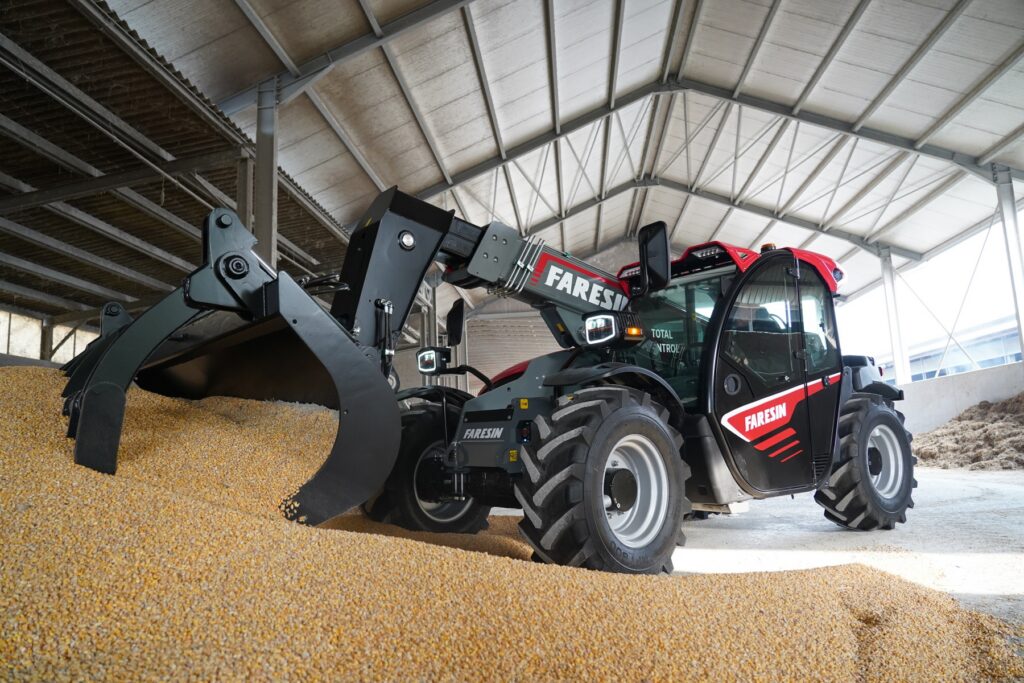
On modern farms, a telehandler is the all-rounder. It shifts and loads grain, cleans stables, stacks and moves bales and carries heavy loads on forks. Its compact dimensions, excellent visibility and tight turning make it ideal for confined areas and field work. The ability to easily switch attachments reduces the need for multiple machines.
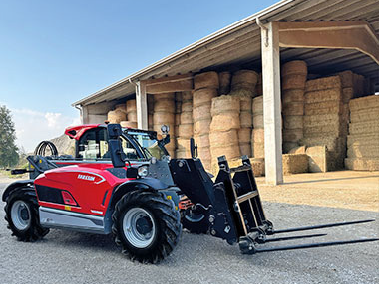
- Attachment options. Pallet forks, buckets, bale grabs and bag handlers are core attachments. Now available is a range of specialised forks, claws and hooks for any task. The differentiators are quick-connect hydraulics, load charts that account for attachments, and in-cab presets that reduce set-up time.
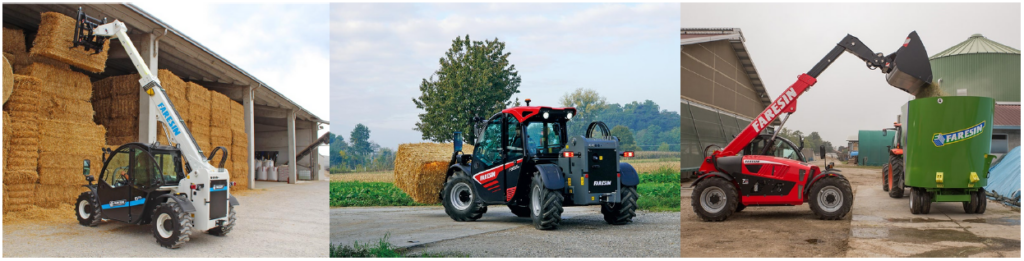
- Power and emissions. Powerful and manoeuvrable machines with low-emission diesel engines are available in compact to large models for a range of weight and height capacities. New electric models provide zero emissions options with low noise for night work near homesteads and indoor tasks in sheds.
- Visibility and safety. Improved cab geometry, cameras and lighting support precise placement. Load sensing and chassis levelling reduce tip risk on uneven ground.
Productivity and safety you can monitor and measure
The use of telematics in telehandlers is now delivering high-value data for safety, geolocation, machine health checks, servicing and performance. This helps farm managers to improve operations in areas of focus. This may be scheduling equipment for service at low-use times or reviewing usage to reduce farm fuel costs or operating hours. Telehandlers integrate telematics for productivity by providing:
- Shorter cycles. Faster boom response and precision control reduce the time between picks, which can be measured for efficiency improvements.
- Less rework. Repeatable presets for attachment flow and boom limits help operators new to the machine or switching between various tasks.
- Lower whole-of-life cost. Right-sized machines paired with the correct attachment do more in fewer passes, and when data is reviewed, can cut diesel or electric charge cycles, tyre wear and machinery capital.
Ahern’s Faresin machinery with Farmatics
Ahern Australia supports agriculture with sales, parts and service. Our range includes Faresin telehandlers, known for agriculture-friendly design and capability with strong attachment versatility, and a national service footprint
that helps keep machines productive through the year. Choosing from Ahern’s Faresin range means access to model guidance, delivery planning, operator familiarisation and ongoing parts support. The Faresin range uses the Farmatics telematics and telediagnosis tools to enable farm managers excellent access to data, including remote monitoring of all machine data.
Implementing telehandlers and telematics
Ahern Australia can provide insight and guidance on transforming to telehandlers, integrating telematics, or even switching to electric power. Start with your farm-specific requirements, such as:
- Matching load weight maximums and boom reach requirements with the right-sized telehandler model.
- Consider access to sheds or other limitations to select compact or large telehandlers, or electric for extended internal use, reduced noise and lower emissions.
- Review the range of attachments against your tasks to select the most versatile options.
- Consider how you can use the machine’s telematics to get operational data and plan maintenance around peak periods.
Telehandlers are moving from general lift tools to precise, data-aligned machines that are involved in every part of the farm calendar. They give the operator confidence when moving loads for the first time, with less fuel and less risk. And their versatility to go from materials handling to other farm maintenance, operation and construction tasks makes them a high-performing agricultural asset.
