Australian worksites are asking more of access fleets as they become a more important part of operations, such as higher safety expectations, the ability to match models to tasks, and proof of performance. Telematics meets that need by turning machine activity into usable insights. Telematics can improve equipment choice, safety, and whole-of-life value.
Where telematics deliver value
Right-sizing the fleet: Actual platform height used, hours in lift, drive time and idle time can tell a different story to planned use or gut feel. If data from equipment use shows consistent operation below or above their capability, you can substitute models with a lower total cost and maintain or increase productivity.
Maintenance by need, not by calendar: Service windows tied to utilisation and fault codes reduce over-servicing or missed services and cut the risk of in-service failures. That means fewer surprises for site managers and clearer workloads for service teams.
Reducing near-misses: Alerts such as overloads, envelope-breach attempts, and high-tilt events highlight where and when risk is occurring. Mitigating those identified risks quickly with coaching or process changes reduces safety incidents.
Best practices for using access equipment telematics
Clean installation and consistent data. Factory-ready or certified retrofit hardware, calibrated and tested, ensures that you can trust the numbers.
Simple dashboards. One page for operations, one for maintenance, one for safety. Easily accessible data makes extracting value from telematics straightforward and likely to be
completed.
Alert responsibility. Every alert type has a named recipient and a timeframe for response. Document who clears which alert and how escalations work after hours.
Secure operation. Options such as geofencing, PIN or keypad access and out-of-hours alerts deter theft and misuse.
Integration. Export data to your work order system or business information tool, so telematics improves existing processes instead of creating another portal to check.
Looking at the lifecycle view to determine comparable costs
Telematics pays for itself when it helps make improved decisions. Track a small set of metrics and measure the outcome. Benefits can come from:
- Availability: fewer unplanned stoppages through early fault detection.
- Energy or fuel per operating hour: better matching of the model to the duty and less idle running.
- Service efficiency: utilisation-based servicing trims time in the workshop.
- Asset mix: trend utilisation to refine what you own, what you hire, and for how long.
- Safety: identify locations or tasks with repeated alerts and adjust site controls, and support incident reviews with factual machine histories rather than recollection.
Procurement guidance for telematics in access equipment
Telematics should be part of the machine specification, not an add-on. When procuring equipment:
- Define the decisions you want data to inform.
- Confirm data access and ownership, including the ability to integrate with your current business software.
- Plan the telematics data review process. How often will data be collected, reviewed, and discussed?
- Ask for operator telematics assistance. On-asset QR manuals and simple fault or operations processes speed recovery and add value
Implementing telematics and gaining value
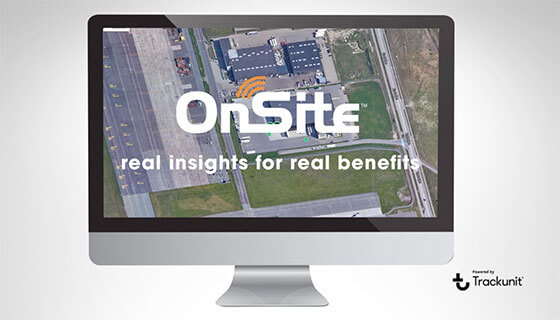
Real insights for real benefits.
On the ground or on the go, maximize efficiency and manage your fleet with integrated telematics technology at your fingertips. Snorkel OnSite provides comprehensive metrics to keep your Snorkel machine performing at its best.
As telematics data becomes increasingly used in your organisation, keep matching the telematics capabilities to your evolving management processes, the same way you match equipment power and capabilities to tasks.
Start small with one dashboard and a pilot task to collect data for, review, and manage for a defined period. Close every alert within an agreed timeframe, record the outcome, and capture data so the value can be determined. Once routines are working, scale the approach to add more data features, assets, and sites.
Giving equipment the ability to improve your project outcomes
Like other equipment items, telematics in access equipment can change outcomes, how you process an operational task or how you ensure safety. A gradual, user-friendly introduction of telematics can improve equipment selection, enhance safety, and deliver clearer value across access machinery.
